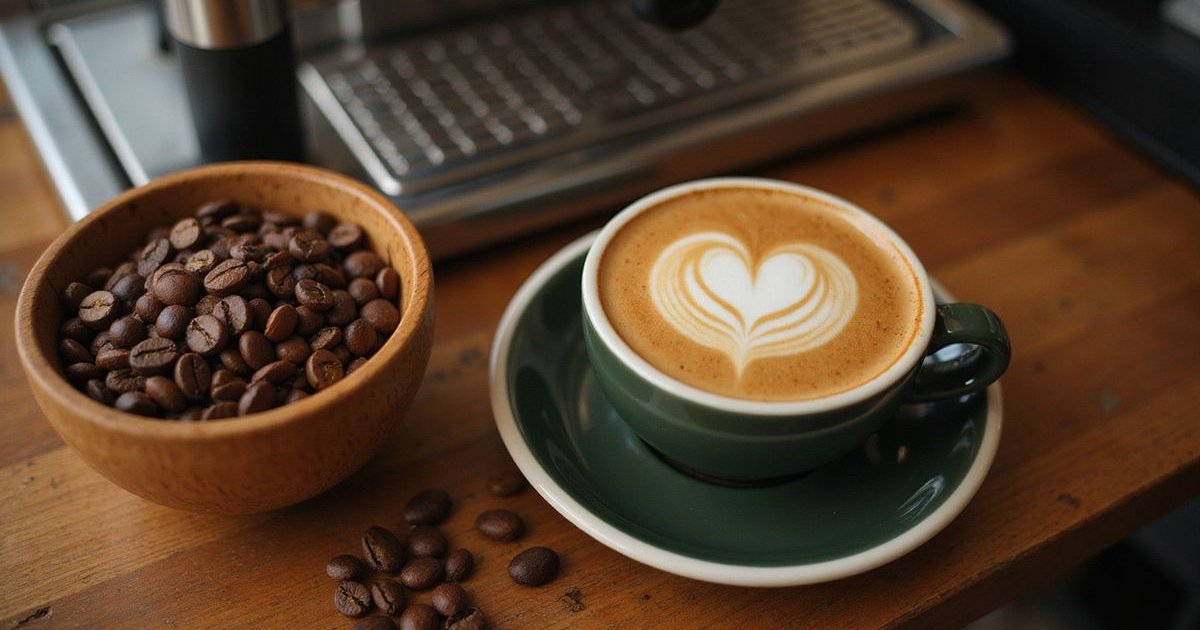
Specialty Coffee 101: A Beginner's Guide to Better Coffee
You’ve likely noticed “specialty coffee” popping up on menus across Kota Damansara and wondered if it’s just marketing hype. It is a valid question. We see many customers hesitate before ordering something unfamiliar, unsure if the higher price tag is justified.
This guide breaks down exactly what you are paying for and how to navigate the menu like a regular.
What Is Specialty Coffee?
Specialty coffee is a technical term rather than just a fancy label. It refers specifically to coffee that scores 80 points or above on a 100-point scale according to the Specialty Coffee Association (SCA).
We rely on this rigorous grading system to ensure quality. Certified Q Graders analyze the beans for defects, allowing zero primary defects (like black or sour beans) in a sample.
But beyond the technical scores, specialty coffee represents a distinct supply chain:
- Better sourcing: Roasters often buy directly from specific farms or cooperatives, ensuring traceability.
- Careful processing: Farmers use precise methods, such as the “Honey Process” or “Natural Process,” to ferment beans and lock in distinct fruit notes.
- Skillful roasting: Roasters monitor temperature curves by the second to highlight the bean’s origin rather than burning it.
- Expert preparation: Baristas weigh every dose of ground coffee to within 0.1 grams for consistency.
It is coffee that has been managed with precision at every single stage. The result is a cup that tastes cleaner, sweeter, and more complex than standard brews.
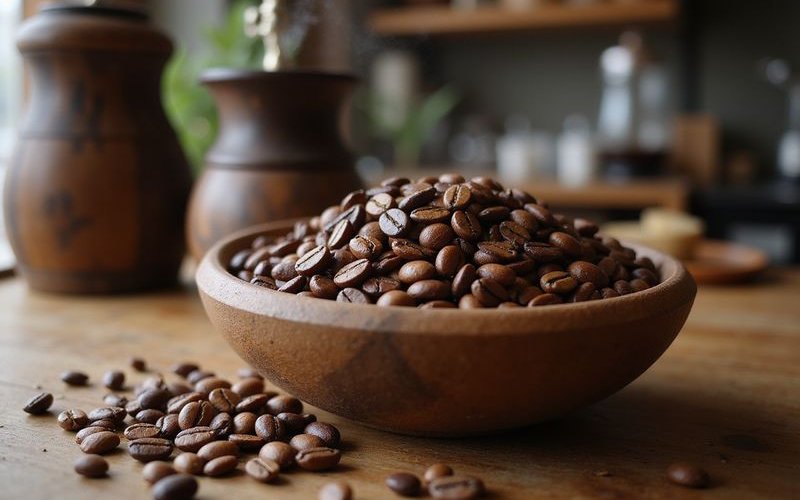
Specialty vs. Commercial Coffee
The difference becomes clear when you look at the data side-by-side. Commercial coffee, often found in instant packets or fast-food chains, prioritizes volume over flavor.
Our team put together this comparison to show where the value lies:
| Aspect | Specialty Coffee | Commercial Coffee |
|---|---|---|
| Bean Species | Primarily 100% Arabica | Often Robusta or low-grade Arabica |
| Quality Score | 80+ points (SCA Standards) | Below 80 points (Commodity Grade) |
| Defects | Zero primary defects allowed | Visual defects and broken beans permitted |
| Roast Date | Consumed within 4-6 weeks of roasting | Often sits on shelves for 12+ months |
| Flavor Profile | Distinct notes (berry, jasmine, nuts) | Generic bitter, burnt, or rubbery taste |
| Typical Price (MY) | RM 10.00 - RM 18.00+ | RM 2.50 - RM 6.00 |
Common Coffee Drinks Explained
Navigating the menu doesn’t have to be complicated. Most specialty drinks are built on the same foundation: the espresso shot.
Espresso-Based Drinks
Espresso This is a concentrated 30-40ml shot brewed under 9 bars of pressure. It is intense, viscous, and the heart of our menu.
Americano Hot water is added to a double shot of espresso. This dilutes the intensity to match the strength of drip coffee while keeping the espresso’s heavy body.
Latte A shot of espresso topped with steaming milk and a thin layer of micro-foam (about 1cm). It is the most popular choice on our specialty coffee menu for a reason.
Flat White We serve this with a thinner layer of foam than a latte. The ratio of coffee to milk is higher, giving you a stronger punch of espresso flavor with a silky texture.
Cappuccino Equal thirds of espresso, steamed milk, and thick foam. The foam structure is airy and dry compared to the wet paint texture of a latte.
Mocha High-quality cocoa powder or syrup is mixed with the espresso before adding milk. It bridges the gap between hot chocolate and coffee.
At Bubbs & Bites
We designed our menu to cater to both purists and those looking for something fun while they work.
- Espresso Soda: Carbonated water mixed with espresso and a twist of citrus.
- Orange Espresso: Fresh orange juice layered with a double shot.
- Affogato: A hot shot poured over a scoop of premium vanilla ice cream.
- Mocha Mint Latte: A refreshing balance of chocolate, mint syrup, and rich espresso.
Not a coffee person? Explore our non-coffee drinks including hand-whisked matcha and creamy milkshakes.
Understanding Coffee Flavors
Specialty coffee can taste like blueberries, jasmine, or even brown sugar without any added syrups. This is due to the chemical compounds developed during growing and roasting.
We use the Coffee Taster’s Flavor Wheel to identify these natural characteristics.
Fruity
- Berries: Often found in natural-processed coffees from Ethiopia (blueberry, strawberry).
- Stone fruits: Common in washed coffees from Colombia (peach, nectarine).
- Citrus: Typical of high-altitude beans from Kenya (lemon, grapefruit acidity).
Sweet
- Chocolate: Dark chocolate notes are a hallmark of Brazilian beans.
- Caramel: A standard sweetness found in medium roasts.
- Honey: Often present in “Honey Processed” beans from Central America.
- Brown sugar: A comforting note found in many house blends.
Nutty
- Almond: A clean, mild nuttiness.
- Hazelnut: Richer and often sweeter.
- Walnut: Slightly more bitter and earthy.
Floral
- Jasmine: A delicate aroma synonymous with Geisha varietals.
- Rose: Intense and perfumed.
- Lavender: Herbal and sweet.
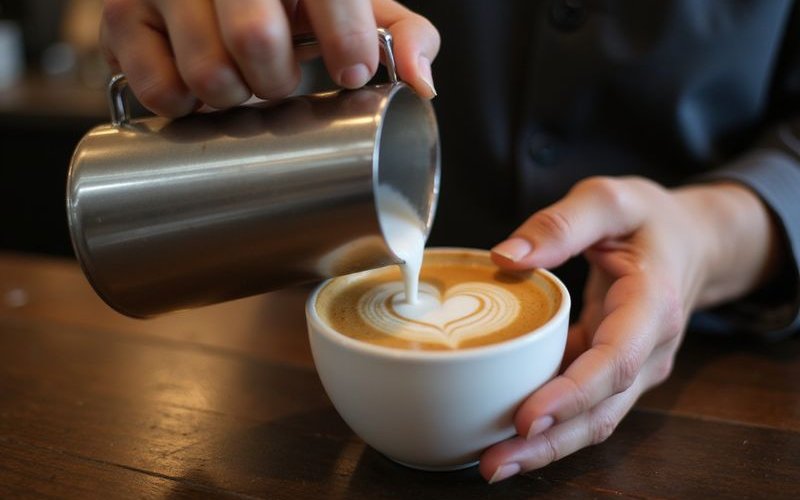
How to Taste Coffee Like a Pro
Tasting is about paying attention rather than having a “golden palate.” Professional cuppers follow a specific protocol to evaluate quality.
We suggest these steps to get the full experience:
- Smell first: 80% of what we perceive as flavor is actually aroma. Inhale deep before the coffee cools.
- Slurp: It sounds rude, but slurping sprays the coffee across your entire tongue. This hits all your sensory receptors simultaneously.
- Notice texture (Mouthfeel): Does it feel heavy like whole milk, or light and tea-like? This body often indicates the brewing method.
- Identify flavors: Use memory association. If it reminds you of burnt toast or dark chocolate, trust that instinct.
- Consider the finish: High-quality specialty coffee leaves a pleasant, sweet aftertaste. Commercial coffee often leaves a dry, astringent feeling.
Temperature matters immensely. You will notice new flavors emerge as the coffee cools down to around 60°C, which is the sweet spot for human taste perception.
Getting Started with Specialty Coffee
Step 1: Try Different Drinks
Your palate needs time to adjust to the lack of extreme bitterness.
- Sweet tooth? Start with a Mocha, then try a Latte with oat milk (which is naturally sweeter than dairy).
- Intensity seeker? Start with a Piccolo Latte or Cortado to taste the espresso cut with just a splash of milk.
- Acidity averse? Ask for a Brazilian or Sumatran bean, which typically has lower acidity than African coffees.
Step 2: Notice the Differences
Make a conscious effort to compare your experiences.
- Texture check: Is the milk foam silky and shiny (good) or bubbly and dry (bad)?
- Origin check: Ask if the cafe is serving a “Single Origin” or a “Blend.”
- Consistency check: Does the flat white taste the same as it did last week?
Step 3: Ask Questions
Our baristas are trained to guide you, not judge you.
- “Do you have a bean that tastes more like chocolate than fruit?”
- “What is the roast date on this batch?”
- “How do you recommend I drink this specific bean?”
Common Beginner Mistakes
1. Adding Sugar Immediately
Taste the coffee first. Properly steamed milk breaks down lactose into simple sugars, making the drink naturally sweet without additives.
2. Assuming Dark = Strong
We often hear people ask for a dark roast for a caffeine kick. In reality, light roasts are denser and contain slightly more caffeine per scoop than dark roasts.
3. Dismissing Unfamiliar Flavors
Acidity in coffee can be shocking if you are used to “Kopi O.” Think of it like the acidity in a ripe orange or strawberry—it adds life to the cup.
4. Not Communicating Preferences
Baristas cannot read minds. If you hate sour notes, tell us so we can steer you away from the Kenyan light roast and toward a chocolaty house blend.
Why Specialty Coffee Costs More
The price tag of RM 12 to RM 18 for a latte often raises eyebrows. This cost supports a completely different economic model than commercial coffee.
We operate with significantly higher overheads to ensure quality:
- Ethical Pricing: Farmers of specialty grade coffee are paid premiums well above the commodity “C-price” to support sustainable agriculture.
- Equipment Costs: A commercial espresso machine like a La Marzocco can cost upwards of RM 50,000, and high-end grinders like the Mahlkönig EK43 are standard requirements.
- Freshness Waste: We discard beans that are past their peak flavor window (usually 4-6 weeks), whereas commercial beans are stored for years.
- Skilled Labor: Baristas are skilled tradespeople who constantly dial in recipes, not just button pushers.
Your Specialty Coffee Journey at Bubbs & Bites
Our Muji-themed space in Dataran Sunway is designed to be a sanctuary for you and your pets. We treat coffee seriously, but we serve it with a smile.
Our Recommendations for Beginners:
- Vanilla Latte: We use high-quality syrup that complements rather than overpowers the coffee.
- Flat White: The perfect ratio for tasting the bean’s character through the milk.
- Affogato: A foolproof dessert-coffee hybrid that everyone enjoys.
- Iced Latte: High refreshment with a solid caffeine hit.
For the Adventurous:
- Espresso Soda: The carbonation changes the mouthfeel entirely.
- Orange Espresso: A popular Malaysian cafe staple that balances brightness with depth.
- Mocha Mint Latte: A complex drink that evolves as you sip it.
Keep Exploring
The best way to learn is to keep tasting. Every cup offers a chance to find a new favorite note or origin.
Ready to start your specialty coffee journey? Visit Bubbs & Bites Cafe in Kota Damansara. Our friendly baristas are always happy to help you find your perfect cup!
Enjoyed this article?
Visit us at Bubbs & Bites Cafe and experience what we've been talking about!
Visit Us Today